Less than 5% of women worldwide live in countries that grant them full legal equality, the World Bank says — a figure that framed discussions at a regional forum in Bukhara on how investment in women and education could drive long-term development across Asia.
Discussions involving regional leaders, UN officials and policymakers centred on economic inclusion, labour participation, healthcare access and the role of women in rapidly changing societies with young and growing populations.
Uzbek President Shavkat Mirziyoyev, in a message to participants, said the country had climbed 43 places in the World Bank’s “Women, Business and the Law” index this year, reaching 48th among 190 economies.
Figures Mirziyoyev cited showed that women now make up 35% of public administration positions in the country, while female participation in higher education has risen sharply in recent years.
Demographics and economic participation
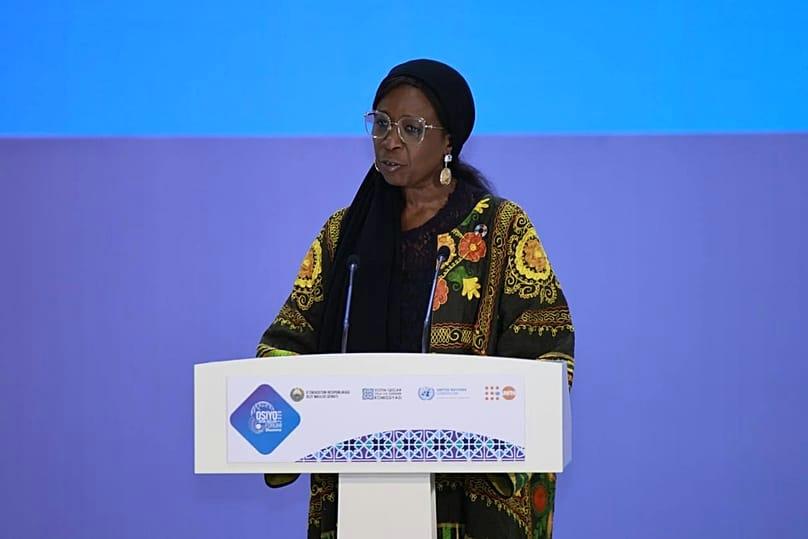
UN Population Fund Executive Director Diene Keita pointed to Central Asia’s demographic profile as one of its biggest long-term opportunities if governments invest effectively in human capital.
“Central Asia is important for the wealth of the entire humanity,” Keita told Euronews.
UNFPA’s Executive Director, Diene Keita
“There is only one way to transform the youth bulge into opportunity. It’s to ensure that we have the proper population data, just like Uzbekistan did with its general census.”
Uzbekistan recently conducted its first national census in more than three decades, a process international organisations described as critical for long-term planning.
According to UNFPA, reliable demographic data allows governments to adapt education systems, healthcare infrastructure and employment policies to the actual needs of different population groups, including women and young people.
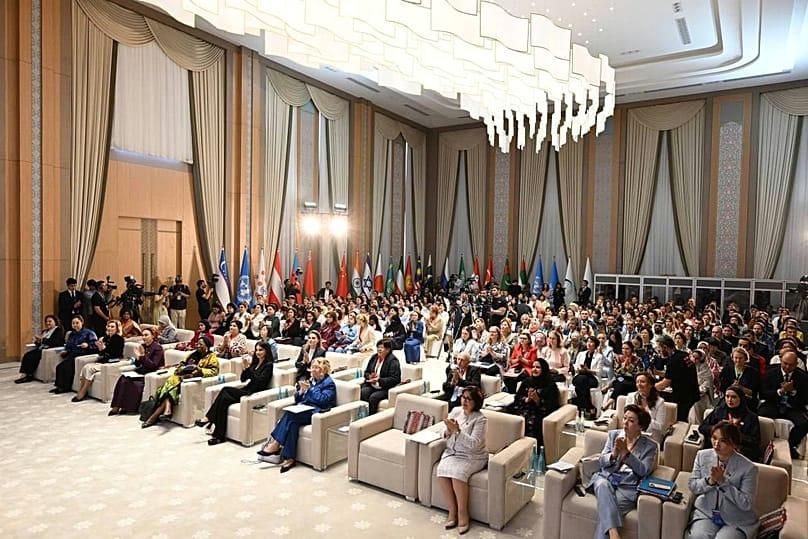
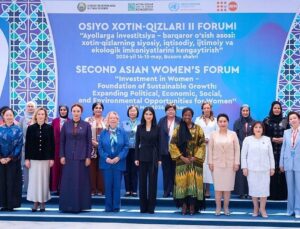
Second Asian Women’s Forum in Bukhara
“When you know where the young people are, where the women are, where the elderly are, you can adapt services according to real needs,” Keita said.
UN officials and regional representatives also linked gender equality directly to economic resilience and future growth.


 News
News
 Dünya
Dünya
 Dünya
Dünya
 Dünya
Dünya
 Dünya
Dünya
 Dünya
Dünya
 Dünya
Dünya
 DÜNYA
DÜNYA